Lowongan Kerja Semarang
Temukan loker Semarang terbaru bulan April 2024 dengan mudah.
LokerSemar.id adalah sebuah portal informasi lowongan kerja Semarang terbaru. Kota yang terletak di Provinsi Jawa Tengah ini merupakan kota terbesar di bagian tengah pulau jawa karena Semarang merupakan salah satu pusat kegiatan ekonomi di Indonesia. Kami hadir sebagai penyambung informasi loker Semarang terbaru untuk 1,7 juta lebih penduduk Semarang dan daerah sekitarnya.
 Sebagai salah satu kota terbesar di Indonesia membuat info lowongan kerja Semarang yang tersedia cukup banyak setiap harinya. Kota yang memiliki 16 kecamatan dan 117 kelurahan ini mempunyai kepadatan penduduk yang cukup padat. Hal ini sesuai dengan sebutan kota Semarang yaitu sebagai kota industri dimana banyak pabrik dan perkantoran yang didirikan di Semarang. Otomatis dengan julukan kota itersebut membuat orang yang mencari info loker Semarang cukup banyak.
Loker Semarang
Tujuan kami mendirikan platfrom LokerSemar.id ini adalah untuk memberikan informasi lowongan kerja Semarang paling terbaru setiap harinya, sehingga memudahkan bagi para pencari kerja di kota Semarang dan sekitarnya. Mengembangkan karir di kota Semarang adalah pilihan tepat karena kota ini merupakan pusat industri di bagian tengah pulau jawa.
Untuk memudahkan masyarakat yang mencari kerja maka loker Semarang yang kami berikan terbagi dalam beberapa kategori. Misalnya kami membagi lowongan pekerjaan berdasarkan waktu dan fleksibilitas kerja yang bisa dibagi dalam jenis pekerjaan Full Time, Part Time, dan Freelance. Berikut ini adalah penjelasan pembagian lowongan kerja Semarang berdasarkan jenis pekerjaan:
Loker Semarang Full Time
Orang yang ingin memiliki penghasilan tetap dan mengembangkan karirnya biasanya memilih lowongan kerja Semarang full time saat mencari pekerjaan yang tepat untuknya. Hal ini dikarenakan pekerjaan full time atau yang biasa disebut penuh waktu memiliki potensi pengembangan karir yang lebih besar dan upah yang diberikan dapat memenuhi kebutuhan hidupnya.
Loker Semarang full time biasanya memiliki sistem kerja dimana seseorang akan bekerja dengan waktu sampai dengan 8 jam kerja setiap harinya untuk 5 hari per minggu atau 7 jam kerja untuk 6 hari kerja setiap minggunya. Pekerjaan dengan jenis penuh waktu ini biasanya menuntut karyawan untuk bekerja onsite di kantor atau pabrik dimana karyawan tersebut dituntut untuk fokus pada pekerjaannya, sehingga tidak boleh mengambil pekerjaan sampingan. Namun manfaat dari jenis pekerjaan full time ini anda bisa mengembangkan karir lebih jauh dan kebutuhan hidup anda lebih tercukupi. Lihat loker full time Semarang di halaman ini.
Loker Semarang Part Time
Anda yang ingin mendapatkan tambahan penghasilan tanpa mengorbarkan waktu yang banyak, bisa mengambil lowongan kerja Semarang part time. Untuk jenis pekerjaan ini anda akan lebih leluasa mengatur waktu karena pekerjaan part time tidak akan menghabiskan banyak waktu untuk bekerja seperti pekerjaan full time.
Dalam pekerjaan part time biasanya anda akan bekerja selama 4-5 jam untuk setiap harinya, sehingga anda bisa memposisikan pekerjaan sebagai sambilan. Loker Semarang part time biasanya berhubungan dengan pelayan toko atau kafe yang biasanya membutuhkan anak muda untuk bekerja. Jenis pekerjaan ini sangat cocok apabila anda ingin menambah penghasilan saat anda masih menjalani kuliah atau pekerjaan lainnya. Lihat loker part time Semarang terbaru di halaman ini.
Loker Semarang Freelance
Pekerjaan jenis freelance biasanya adalah jenis pekerjaan yang tidak mengikat seseorang untuk bekerja di suatu tempat dan waktu tertentu. Lowongan kerja Semarang freelance ini sangat cocok bagi anda yang mempunyai pekerjaan utama, dimana anda bisa menambah penghasilan selagi anda melakukan kegiatan utama anda.
Bagi yang ingin lebih leluasa dan tidak menyukai dengan pekerjaan yang menuntut disiplin yang tinggi, biasanya mencari loker Semarang freelance. Jenis pekerjaan ini memiliki sifat yang berbeda dengan pekerjaan penuh waktu maupun paruh waktu dimana kita bebas untuk mulai dan mengakhiri pekerjaan, sehingga kita harus tanggungjawab terhadap diri kita sendiri untuk menyelesaikan pekerjaan tersebut. Silahkan lihat loker freelance Semarang di halaman ini.
Lowongan Kerja Semarang Terbaru
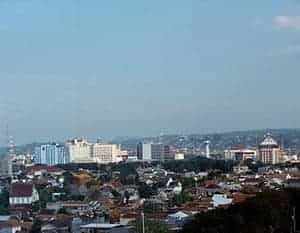 Kota Semarang dikenal sebagai daerah plural yang dihuni oleh berbagai etnis, agama, dan latar pendidikan. Menyangkut pembahasan loker Semarang maka latar pendidikan adalah hal yang sangat penting. Biasanya suatu perusahaan akan mensyarakatkan minimal pendidikan dalam lowongan yang mereka buka. Berikut ini adalah jenis lowongan pekerjaan di Semarang berdasaran pendidikan:
Loker SMA/SMK Semarang
Pekerja dengan latar pendidikan SMA atau SMK adalah jumlah angkatan kerja paling besar di kota Semarang dan sekitarnya. Hal ini membuat masyarakat yang mencari lowongan kerja SMA / SMK Semarang cukup banyak dibandingkan dengan tingkat pendidikan lainnya. Lulusan SMA/SMK memang adalah usia paling ideal untuk bekerja, dimana ilmu yang didapatkan di sekolah sudah cukup dan umur lulusan juga sudah masuk kriteria dunia kerja.
Kebutuhan akan informasi loker SMA / SMK Semarang memang sangat tinggi, karena di kota ini banyak industri yang membutuhkan tenaga terampil yang siap kerja. Menanggapi hal tersebut LokerSemar.id siap memberikan informasi lowongan terkait dengan adanya halaman khusus yang memuat info lowongan masyarakat lulusan SMA/SMK. Silahkan lihat halaman loker SMA / SMK Semarang untuk mulai melihat lowongan terbaru.
Loker D3 Semarang
Lulusan sarjana Diploma 3 (D3) merupakan sekolah yang dirancang agar lulusannya siap kerja. Untuk itu banyak perusahaan yang membuka lowongan kerja Semarang untuk lulusan D3 karena merupakan tenaga terampil yang siap untuk bekerja. Lulusan D3 saat kuliah lebih banyak diberikan pelajaran praktik daripada S1, sehingga lulusan D3 memang dipersiapkan untuk di lapangan yang cenderung berbeda dengan S1 yang dipersiapkan untuk tenaga profesional.
Karir untuk lulusan D3 cukup baik di kota lumpia ini, dibuktikan dengan loker Semarang D3 yang cukup banyak dibuka. Apabila anda mencarinya sendiri di website lowongan pekerjaan maka anda akan banyak menjumpai loker yang mempunyai syarat lulusan D3. Untuk itu apabila anda lulusan D3, kota Semarang cukup ramah untuk anda. Lihat loker D3 Semarang terbaru di halaman ini.
Loker Sarjana S1 Semarang
Menyandang gelar sebagai kota terbesar nomor 5 dari seluruh Indonesia, membuat Semarang merupakan kota bisnis yang sangat padat. Hal ini membuat ketersediaan lowongan kerja di Semarang untuk sarjana S1 juga cukup banyak. Setiap tahun berjalan pasti banyak perusahaan yang membutuhkan tenaga profesional yang terampil untuk bekerja di kantor/pabriknya. Untuk itu Semarang adalah daerah yang sangat ideal bagi para calon kandidat lulusan S1.
Apabila anda lulusan sarjana S1 maka tidak salah untuk mulai mencari loker Semarang S1 karena memang kota ini sangat membutuhkan tenaga profesional, dimana setiap tahunnya banyak industri baru yang berdiri. Iklim industri dan perdagangan di kota Semarang sangat stabil, sehingga sangat bagus bagi para sarjana untuk memulai karir disini. Lihat loker S1 Semarang di halaman ini untuk mulai mencari pekerjaan.
Loker Umum Semarang
Selain perusahaan yang memiliki syarat minimal pendidikan tertentu untuk bisa bekerja di perusahaannya, namun ternyata banyak juga lowongan pekerjaan Semarang yang tidak mempunyai syarat minimal pendidikan yang berarti lowongan tersebut untuk umum. Lowongan berjenis ini biasanya untuk jenis pekerjaan yang tidak terlalu membutuhkan skil khusus untuk melakukannya, seperti pekerjaan pelayan toko dan supir.
Bagi anda yang lulusan SD atau SMP bisa mencoba mendaftar loker Semarang yang tidak memperlukan syarat pendidikan, karena perusahaan akan lebih memandang skil daripada tingkat pendidikan. Lihat halaman loker umum Semarang untuk mulai mencari pekerjaan yang sesuai dengan minat dan bakat anda.
Lowongan Kerja di Semarang Berdasarkan Kota/Kabupaten
Sebagai ibukota dari Provinsi Jawa Tengah membuat kota Semarang tidak bisa lepas dari daerah sekitarnya sebagai penyangga perekonomian. LokerSemar.id juga tidak hanya memfokuskan diri untuk memberikan informasi lowongan kerja di Semarang saja, namun juga daerah sekitarnya. Berikut ini kami klasifikasikan lowongan yang terbagi dalam kota/kabupaten di sekitar kota Semarang:
Lowongan Kerja Kota Semarang
Kota Semarang adalah kota kuno karena sudah berdiri sejak tahun 1547. Artinya kota ini sudah melalui sejarah yang sangat panjang sejak jaman kerajaan sampai dengan kemerdekaan Indonesia. Apabila dilihat dari sejarahnya yang panjang maka kota ini merupakan kota industri dan perdagangan yang sangat strategis, sehingga membuat loker kota Semarang selalu padat setiap tahunnya sampai sekarang.
Sebagai pusat inti dari provinsi Jawa Tengah membuat lowongan kerja kota Semarang banyak sekali dibuka seiring dengan banyaknya toko, perkantoran, dan pabrik yang menjejali kota ini. Kotamadya yang memiliki area paling luas di pulau Jawa menjanjikan peluang kerja yang banyak di kota ini. Lihat loker kota Semarang terbaru di halaman ini.
Lowongan Kerja Kabupaten Semarang
Kabupaten Semarang adalah sebuah daerah yang berbatasan langsung dengan kota Semarang, sehingga kabupaten ini sangat menarik untuk pertumbuhan industri dan perdagangan kedepannya. Sebagai daerah yang terus berkembang membuat loker kabupaten Semarang cukup banyak dibuka untuk mengisi kekosongan karyawan untuk berbagai toko, perkantoran, dan pabrik.
Kabupaten yang terletak di tengah pulau jawa ini merupakan daerah yang strategis karena mempunyai wilayah agraris yang subur dengan pemandangan alam yang indah sehingga sangat mendukung untuk industri maupun pariwisata. Sejalan dengan itu lowongan kerja kabupaten Semarang saat ini banyak sekali dibuka oleh berbagai perusahaan. Lihat loker kabupaten Semarang terbaru disini.
Lowongan Kerja di Jawa Tengah
Provinsi Jawa Tengah merupakan salah satu provinsi dengan jumlah penduduk paling banyak di Indonesia yaitu mencapai lebih dari 35 juta jiwa. Besarnya jumlah penduduk tersebut membuat Semarang adalah daerah yang sangat strategis untuk basis industri atau perdagangan, karena mempunyai sumber daya manusia yang melimpah.
LokerSemar.id sendiri selain memberikan informasi loker Semarang terbaru juga siap untuk memberikan informasi lowongan pekerjaan di kota dan kabupaten lainnya di Jawa Tengah yang jumlahnya mencapai 35 daerah administratif yang terbagi dalam 29 kabupaten dan 6 kota. Sebagai platform yang fokus di daerah kota Semarang dan sekitarnya atau yang sering disebut sebagai daerah metropolitan Kedungsepur, maka kami saat ini menyediakan juga menyediakan informasi loker Kendal dan loker Demak.
Klasifikasi Lowongan Kerja Semarang | |
| Pendidikan | Deskripsi |
| Loker SMA / SMK | Lulusan SMA/SMK adalah tenaga terampil siap kerja dimana ilmu yang didapatkan di sekolahan serta umur sudah cukup. Loker SMA / SMK di Semarang ini biasanya untuk mengisi tenaga lapangan seperti pekerjaan yang berhubungan dengan pabrik seperti pengolahan bahan makanan atau tekstil sampai dengan pelayan toko. |
| Loker D3 | Lulusan sekolah vokasi / D3 adalah tenaga yang memang dipersiapkan untuk dunia industri dan perdagangan, dimana waktu sekolah lebih menekankan kepada praktif. Lowongan D3 Semarang biasanya sangat dibutuhkan oleh dunia industri dalam bidang otomotif, permesinan, sampai dengan urusan akuntansi. |
| Loker Sarjana S1 | Saat ini rata-tara keluarga mampu ingin melanjutkan pendidikan anaknya ke jenjang pendidikan S1 agar mendapatkan karir yang lebih baik di dunia kerja. Loker S1 di Semarang memang cenderung dibuka untuk rekrutmen tenaga profesional yang membutuhkan tenaga yang siap untuk memajukan perusahaan. |
| Loker Umum | Tidak semua pekerjaan membutuhkan minimal pendidikan sebagai syarat saat pendaftaran. Sejalan dengan hal tersebut lowongan kerja umum di Semarang lebih melihat kepada skil yang dimiliki oleh calon pekerja. |
| Status Kerja | Deskripsi |
| Loker Full Time | Merupakan jenis pekerjaan yang memiliki jumlah kerja paling banyak daripada jenis pekerjaan lainnya. Biasanya pekerjaan full time bisa memakan waktu 7 sampai dengan 8 jam kerja untuk setiap harinya. |
| Loker Part Time | Salah satu jenis lowongan kerja Semarang paling dicari saat ini. Hal ini dikarenakan pekerjaan part time atau paruh waktu tidak membutuhkan waktu yang terlalu banyak, sehingga pekerja bisa mengambil kegiatan bermanfaat seperti sekolah. |
| Loker Freelance | Pekerjaan freelance adalah suatu pekerjaan yang membebaskan orang untuk bekerja dimanapun dalam waktu kapanpun. Jenis pekerjaan ini lebih menuntut agar suatu proyek dapat diselesaikan dengan tepat waktu oleh pekerja. |
| Geografis | Deskripsi |
| Loker Kota Semarang | Kota Semarang adalah salah satu kota industri dan perdagangan paling besar di Indonesia, sehingga menuntut jumlah sumber daya manusia yang sangat banyak. Setiap hari selalu ada lowongan pekerjaan di Semarang yang dibuka. |
| Loker Kabupaten Semarang | Daerah ini merupakan wilayah penyangga dari kota Semarang, sehingga kabupaten Semarang menjadi kota penyangga untuk kegiatan perindustrian dan perdagangan. Memiliki wilayah yang lebih luas dari kotanya, membuat kabupaten Semarang mempunyai potensi yang tinggi untuk para pencari kerja. |
Tips Mencari Lowongan Kerja Semarang
Untuk mendapatkan informasi loker Semarang terbaru di jaman digital ini sangat mudah. Apabila jaman dahulu untuk mencari info pekerjaan yang dibuka di kota Semarang dan sekitarnya para calon pekerja harus melihat koran atau berkeliling kota untuk mencari info perusahaan yang sedang membutuhkan pekerja. Saat ini dengan hadirnya teknologi, masyarakat yang ingin mencari lowongan kerja Semarang hanya tinggal membuka gadget yang dimilikinya.
LokerSemar.id hadir untuk menjembatani calon pekerja dan dan perusahaan di kota Semarang maupun kota / kabupaten lainnya di provinsi Jawa Tengah. Kami hadir sebagai solusi untuk mempermudah pekerja mendapatkan informasi lowongan kerja di Semarang serta juga mempermudah perusahaan untuk mendapatkan kandidat terbaik yang diinginkan.
Di bawah ini merupakan tips untuk mendapatkan pekerjaan dengan mudah dan cepat di kota Semarang:
Cari Informasi Loker Semarang Terbaru Melalui Perangkat Anda
- Di jaman digital ini hampir setiap orang di Semarang mempunyai perangkat handphone atau komputer.
- Anda dapat mengakses website LokerSemar.id melalui browser anda untuk melihat info lowongan kerja terbaru yang ada di Semarang.
- Lakukan filterisasi dengan hanya memilih lowongan yang sesuai dengan latar pendidikan, profesi, maupun letak geografis yang dapat dilakukan dengan mudah di LokerSemar.id
- Setelah menemukan lowongan yang sesuai dengan kriteria anda, maka anda dapat mengunjungi halaman lowongan tersebut untuk melihat deskripsi dan syarat lowongan secara spesifik
Periksa Informasi Lowongan Pekerjaan Semarang yang Anda Inginkan Secara Teliti
- Apabila anda sudah memilih loker yang anda cocok, maka anda perlu melihatnya lebih teliti lagi di halaman lowongan terkait LokerSemar.id.
- Pertama, anda harus melihat deskripsi perusahaan untuk melihat gambaran umum perusahaan yang anda ingin daftar tersebut bergerak dalam bidang apa.
- Kemudian lihat gambaran syarat secara umum di bagian ringkasan dimana anda bisa melihat gender yang dibutuhkan, batas lamaran, minimal pendidikan, dan lokasi.
- Jika memang sesuai dengan kriteria anda maka anda dapat melihat syarat secara spesifik yang dibutuhkan oleh perusahaan di bagian syarat pekerjaan.
Daftar Lowongan Kerja Semarang yang Anda Inginkan dengan Tepat
- Setelah anda merasa cocok dengan perusahaan, pekerjaan yang ditawarkan serta syaratnya maka anda bisa melakukan tahap selanjutnya yaitu pendaftaran.
- Pendaftaran pekerjaan tidak bisa dilakukan secara sembarangan karena perusahaan juga selektif memilih calon pekerja yang akan diundang untuk interview.
- LokerSemar.id menyediakan beberapa pilihan opsi pendaftaran yang dapat dilakukan yaitu melalui email, telepon/whatsapp, serta formulir.
- Sebelum melakukan pendaftaran anda harus menyiapkan CV yang sebagus mungkin dimana memiliki desain menarik serta menerangkan latar belakang anda secara rinci mulai dari biografi, pendidikan, pengalaman organisasi, sampai dengan pengalaman bekerja.
- Buat surat lamaran kerja yang menarik dimana anda memuat alasan yang tepat kenapa tertarik bekerja di perusahaan tersebut dan jelaskan potensi yang anda miliki untuk bisa mengembangkan perusahaan tersebut.